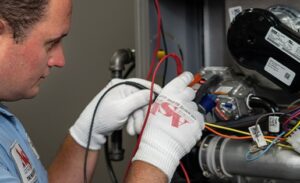
San Diego winters are famously mild—but those chilly mornings can leave homeowners wondering: should I turn on the heat, or just grab a sweater? The answer isn’t always straightforward. Understanding when your heating system truly needs to run (and when it doesn’t) can help you stay comfortable, protect your equipment, and avoid unnecessary energy use.
San Diego's Unique Winter Challenge
After 70 years of keeping San Diego homes comfortable, ASI The White Glove Guys understand that our winters are different from the rest of the country. While friends and family elsewhere battle freezing temperatures and snow, San Diego homeowners face a subtler challenge: morning temperatures in the 40s and 50s that warm up to the 60s or 70s by afternoon.
This daily temperature swing creates a genuine dilemma. Running your heat all morning might feel wasteful when you know the sun will warm things up soon. But sitting in a cold house isn’t comfortable either—and there are times when running your heating system is actually important for reasons beyond just staying warm.
When You Should Run Your Heat
Despite our mild climate, there are situations where running your heating system is genuinely necessary:
Indoor Temperature Below 60°F: When your thermostat reads below 60 degrees, your home has lost enough heat that warming it naturally will take hours. Running your heat brings comfort faster and prevents the deep chill that makes your home feel cold all day.
Vulnerable Household Members: Infants, elderly family members, and those with certain health conditions need warmer environments. If anyone in your home falls into these categories, prioritize their comfort over energy considerations.
Extended Cold Spells: When San Diego experiences multiple cool days in a row, your home’s thermal mass can’t recover between cold nights. Running heat during these periods prevents your home from getting progressively colder.
High Humidity Mornings: Coastal fog and marine layer can make cool mornings feel even colder. Your heating system helps remove excess moisture while warming the air, improving actual comfort more than the temperature change alone suggests.

When You Can Skip the Heat
- Sunny Mornings with Clear Skies: If the sun is already shining and your home gets good natural light, passive solar heating may warm your space within an hour or two
- Indoor Temperature Above 65°F: Many people find this temperature comfortable, especially with a light layer of clothing—your home may not need mechanical heating
- Short Duration at Home: If you’re leaving for work soon anyway, a sweater and warm beverage may be more practical than heating the whole house
- Well-Insulated Homes: Modern or recently upgraded homes retain heat better overnight, so morning temperatures stay more comfortable without running the system
- Afternoon Plans Away: If you’ll be out during the warmest part of the day, you may not need to invest energy in morning heating
Smart Strategies for Mild Winter Mornings
These approaches help you stay comfortable while using your heating system efficiently during San Diego’s mild winters.
Use a Programmable Thermostat
Set your thermostat to warm the house 30 minutes before you wake up, then lower it as the day warms. This “set and forget” approach eliminates the daily decision while optimizing comfort and efficiency.
Leverage Passive Solar
Open curtains and blinds on south and east-facing windows as soon as the sun rises. San Diego’s abundant sunshine can raise indoor temperatures several degrees naturally—free heating from our famous weather.
Find Your Comfort Threshold
Experiment to find the lowest temperature you’re genuinely comfortable at. Many San Diegans discover they’re fine at 65°F with a light sweater—knowledge that can guide your heating decisions all winter.
Zone Your Comfort
Focus on warming the rooms you’re actually using. Close doors to unused spaces, and if you have a zoned system, only heat occupied areas. No need to warm empty guest rooms on a Tuesday morning.
Check Your Insulation
If your home gets uncomfortably cold overnight despite mild outdoor temperatures, you may have insulation issues. Addressing these makes your home more comfortable year-round and reduces heating needs.
Check the Forecast
A quick weather check helps you decide. If temperatures will reach 70°F by noon, you might skip morning heat. If a cool, overcast day is expected, running your system makes more sense.
Why Your Heating System Needs Occasional Use
Here’s something many San Diego homeowners don’t realize: your heating system benefits from regular operation, even during our mild winters. Systems that sit idle for months can develop problems:
- Lubricant Settling: Moving parts in your furnace or heat pump need regular operation to keep lubricants properly distributed. Extended idle periods can lead to increased wear when the system finally runs.
- Dust Accumulation: Dust settles on burners and heat exchangers during idle periods. When you finally run the system, this can cause burning smells or even trigger smoke detectors.
- Pest Intrusion: Insects and small rodents are attracted to the warmth and shelter of idle HVAC equipment. Regular operation discourages nesting in your system.
- Undetected Problems: Minor issues like failing ignitors or worn capacitors only reveal themselves when the system runs. Discovering these problems on the coldest night of the year is never convenient.
- Thermostat Calibration: Thermostats and sensors can drift over time. Regular use helps you notice if temperatures aren’t matching settings before it becomes a significant issue.
We recommend running your heating system at least once every two weeks during winter, even if just for 15-20 minutes. This keeps components in working order and gives you confidence the system will perform when you truly need it.

The Real Cost of Not Running Your Heat
While San Diego rarely experiences freezing temperatures, consistently cold indoor environments can cause problems beyond personal discomfort:
Moisture and Mold: Cold surfaces in your home cause condensation when warmer, humid air contacts them. Over time, this moisture can lead to mold growth in hidden areas like closets, under furniture, and in poorly ventilated spaces.
Plumbing Stress: While pipes rarely freeze in San Diego, consistently cold water lines in exterior walls or unheated spaces experience more thermal stress. Maintaining moderate indoor temperatures protects your plumbing.
Hardwood Floor Gaps: Wood flooring contracts in cold temperatures, potentially causing gaps or creaking. Maintaining stable indoor temperatures helps preserve your flooring investment.
Indoor Air Quality: Stagnant, cold air holds moisture and allows allergens to settle. Running your heating system circulates and filters air, improving overall indoor air quality.
Understanding these factors helps you make informed decisions about when running your heat is worth it.
Morning Heating Decision Guide
Use this quick reference to decide whether to run your heat on any given San Diego winter morning:
Turn On the Heat If…
- Indoor temperature is below 60°F
- You have infants, elderly, or health-compromised household members
- The forecast shows clouds and cool temperatures all day
- You’re working from home and need consistent comfort
- It’s been more than two weeks since you last ran the system
- You notice condensation on windows or cold surfaces
- The marine layer or fog is keeping things damp and chilly
Skip the Heat If…
- Indoor temperature is above 65°F
- Clear skies mean strong sunshine within the hour
- You’re leaving for work or errands soon
- Afternoon temperatures will reach the 70s
- Everyone in the house is comfortable with a light layer
- Your home has good insulation and retains heat well
- You recently ran the system and know it’s working properly
Pre-Winter Heating System Checkup
Even with mild winters, your heating system deserves attention. Our White Glove technicians ensure everything works perfectly for the season ahead:
Furnace Inspection
- Inspect and clean burners for safe, efficient operation
- Check heat exchanger for cracks or corrosion
- Test ignition system and safety controls
- Verify proper gas pressure and combustion
- Inspect flue and venting for blockages
- Lubricate blower motor and moving parts
- Check electrical connections and controls
- Test thermostat calibration and operation
Heat Pump Inspection
- Check refrigerant levels and system pressures
- Inspect reversing valve operation for heating mode
- Clean indoor and outdoor coils
- Test defrost cycle functionality
- Verify auxiliary/emergency heat operation
- Check capacitors and contactors
- Inspect ductwork for leaks and insulation damage
- Calibrate thermostat for heating season
Benefits of Proper Heating System Use
Equipment Longevity
Regular operation keeps components lubricated and functional. Systems that run periodically throughout winter tend to last longer and require fewer repairs than those left idle for months.
Better Air Quality
Running your system circulates air through filters, removing dust, allergens, and particles. This is especially valuable during winter when homes are closed up more than usual.
Moisture Control
Heating reduces indoor humidity, preventing condensation on windows and cold surfaces. This protects your home from moisture damage and discourages mold growth.
Reliability When Needed
Regular use reveals minor issues before they become emergencies. You’ll know your system works properly and can count on it during our occasional cold snaps.
Home Protection
Maintaining moderate indoor temperatures protects hardwood floors, musical instruments, artwork, and other items sensitive to cold and humidity fluctuations.
Consistent Comfort
A strategic approach to heating—running it when truly needed—means you’re never uncomfortably cold while still being mindful of energy use.
Why San Diego Homeowners Trust ASI The White Glove Guys
For over 70 years, we’ve helped San Diego homeowners navigate our unique climate challenges—including the question of when heating is truly necessary. Our deep local experience means we understand that San Diego HVAC needs are different from the rest of the country.
The ASI Difference:
- Local Climate Expertise: 70+ years in San Diego means we understand exactly how our mild winters affect heating systems—and how to optimize them for our unique conditions.
- Honest Assessment: We’ll tell you if your system just needs a tune-up or if there’s a real issue to address. We never recommend unnecessary repairs or replacements.
- Thorough Inspections: Our technicians check every component, ensuring your system is ready for whatever San Diego winter brings—even if that’s mostly sunshine.
- Upfront Communication: You’ll understand exactly what we find and what we recommend before any work begins. No surprises, no pressure.
- White Glove Service: We protect your home with shoe covers and drop cloths, and we clean up completely when we’re done.
- Efficiency Focus: We help you get the most from your heating system while using it wisely—comfort without waste.
- Quality Workmanship: Every repair and maintenance service meets our exacting standards, backed by comprehensive warranties.
- Residential Specialists: We focus exclusively on residential homes, so your needs are always our priority.
The Bottom Line on Mild Winter Heating
Living in San Diego means you have the luxury of choice when it comes to winter heating. Here’s our practical advice:
- Don’t feel guilty about running heat when you’re genuinely cold—comfort matters
- Run your system at least every two weeks to keep it in good working order
- Use programmable settings to automate the decision on busy mornings
- Take advantage of our abundant sunshine for free passive heating
- Schedule a pre-winter checkup to ensure your system is ready when you need it
The goal isn’t to avoid using your heating system—it’s to use it wisely and know it will work reliably when you truly need it.
Frequently Asked Questions
What temperature should I set my thermostat to in San Diego winters?
Most San Diego homeowners find 68-70°F comfortable during waking hours and 62-65°F while sleeping. However, your ideal temperature depends on personal preference, home insulation, and household members. Experiment to find the lowest setting that keeps everyone comfortable—this is often higher than expected for homes with drafts or poor insulation.
Is it bad for my furnace to only run it occasionally?
Running your furnace occasionally is better than not running it at all, but very infrequent use can allow dust to accumulate and lubricants to settle. We recommend running your heating system at least once every two weeks during winter, even if just for 15-20 minutes. This keeps components working properly and alerts you to any issues before a cold night.
Why does my heater smell when I first turn it on for the season?
A slight burning smell during the first use of the season is normal—it’s dust that accumulated on heat exchangers and burners burning off. This should dissipate within 20-30 minutes. However, if the smell persists, smells like gas or electrical burning, or if you see smoke, turn off the system and call for professional inspection immediately.
Should I use space heaters instead of my central heating?
Space heaters can be appropriate for heating a single room for short periods, but they’re generally less efficient and potentially less safe than central heating for whole-home comfort. If you find yourself relying heavily on space heaters, your central system may need attention, or you might benefit from a zoning solution that heats only occupied areas.
How do I know if my heating system needs professional attention?
Schedule professional service if you notice: uneven heating throughout your home, strange noises during operation, persistent unusual odors, the system cycling on and off frequently, visible rust or damage to equipment, your energy usage has increased significantly, or the system is more than 15 years old without recent maintenance.
Can I damage my heat pump by not using it enough?
Heat pumps are designed for regular use and actually benefit from consistent operation. Unlike furnaces, heat pumps typically run for cooling in summer and heating in winter, so they get more regular use. However, if you haven’t used the heating function in months, run it for 20-30 minutes before relying on it for an extended period to ensure everything operates correctly.
What's the most energy-efficient way to heat my San Diego home?
For San Diego’s mild climate, heat pumps are typically the most efficient option since they move heat rather than generate it. Regardless of system type, efficiency comes from: proper maintenance, good insulation, sealing air leaks, using programmable thermostats, keeping vents unobstructed, and replacing filters regularly. A professional energy assessment can identify specific improvements for your home.
Ready to Optimize Your Winter Comfort?
Whether you’re not sure if your heating system is working properly or you want to ensure it’s ready for San Diego’s cooler months, our White Glove technicians are here to help. Schedule a maintenance visit and enjoy peace of mind all winter long.
Serving San Diego County since 1952 • A+ BBB Rating • Residential Heating Specialists