

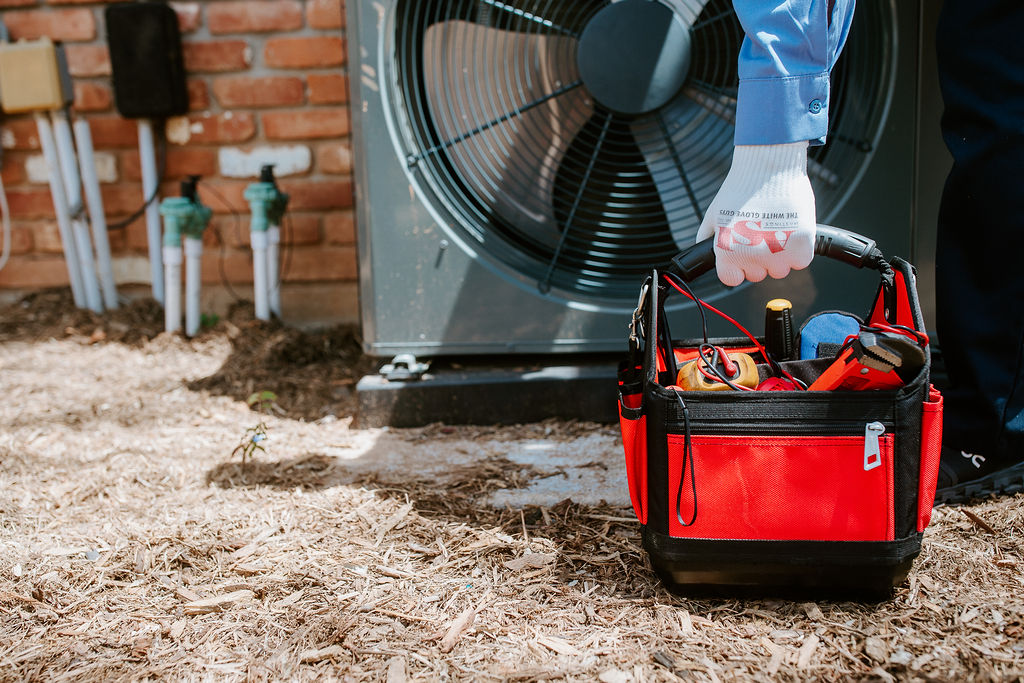
If you’ve lived in San Diego for more than a year, you know the rhythm: May Gray rolls in off the coast, June Gloom keeps the mornings cool, and then — almost overnight — the marine layer burns off and your air conditioner goes from forgotten to essential. That quiet stretch before the first real heat wave is the single best window all year to get your AC checked, and it’s exactly when most homeowners don’t think about it.
Key Takeaways
- ACs fail under load. A system that limped through last September often quits during the first heat wave of the new season.
- May and June are the sweet spot. Scheduling is easier, and any problems found can be fixed before you actually need cooling.
- Maintenance pays for itself. A clean, properly charged system uses less electricity every hour it runs.
- ASI’s complete AC tune-up and safety inspection is $87 for one residential cooling system.
Why San Diego ACs Fail in July Instead of May
Air conditioners rarely break when they’re coasting. They break under sustained load — long afternoons of 85-degree-plus heat when the system runs for hours without a break. In San Diego, that load doesn’t arrive until the marine layer disappears, which is why HVAC companies see a flood of emergency calls in July and August from systems that “worked fine last week.”
The truth is those systems usually weren’t fine. They were running with a weak capacitor, a slightly low refrigerant charge, or a clogged condenser coil — problems that don’t cause a breakdown at 72 degrees but absolutely do at 92. A spring AC maintenance visit catches those issues while they’re still cheap to fix.
What a Real Tune-Up Actually Covers
A proper tune-up is more than a filter swap and a thumbs-up. When an ASI technician services your cooling system, the visit is a complete system service and safety inspection, including things like:
- Electrical checks: Capacitors, contactors, and wiring connections — the most common summer failure points.
- Refrigerant performance: Verifying the system is cooling at the capacity it was designed for.
- Coil and drain inspection: Dirty coils make your AC work harder; clogged condensate drains cause water damage and shutdowns.
- Airflow and thermostat operation: Confirming the system is actually delivering cool air where you live, not just running.
If the technician finds something, you get an upfront, flat-rate price before any work starts — no surprises, no pressure.
ASI Pro Tip: While you wait for your tune-up, do the one thing that helps any AC: replace the air filter and gently rinse leaves and dust off the outdoor condenser unit with a garden hose (power off first). Restricted airflow is the number-one cause of poor cooling we see.
The Energy Bill Side of the Story
San Diego has some of the highest electricity rates in the country, which changes the math on maintenance. According to the U.S. Department of Energy, routine upkeep like keeping coils clean and maintaining correct refrigerant charge helps an air conditioner run significantly more efficiently than a neglected one. Every bit of efficiency you recover is money back in your pocket during the months your AC runs daily.
Maintenance also protects the bigger investment. Compressors and other major components last longer when the system isn’t straining against dirty coils or electrical components that are out of spec. If your system is already 15-plus years old, a tune-up visit is also a low-pressure way to get an honest read on whether AC replacement makes more sense than another season of repairs.
Signs You Shouldn’t Wait for a Tune-Up
Maintenance is for systems that seem healthy. If you’re noticing any of the following, go straight to an AC repair visit instead:
- Warm or weak airflow from the vents, even with a clean filter.
- Grinding, buzzing, or repeated clicking from the outdoor unit.
- Ice on the refrigerant lines or the indoor coil.
- Rooms that never cool down — sometimes an equipment issue, sometimes a ductwork problem that’s leaking your cold air into the attic.
A Note for Inland Homeowners
If you’re in Escondido, El Cajon, Poway, Santee, or anywhere east of the coastal strip, this advice goes double. Inland systems run two to three times as many hours per summer as their coastal counterparts, often through triple-digit afternoons. That extra workload means components wear faster, refrigerant issues show up sooner, and a marginal system has nowhere to hide once the valley heat settles in.
Inland homes are also where we see the biggest payoff from pairing maintenance with the basics: a clean filter changed monthly during heavy use, shade for the condenser if you can manage it without blocking airflow, and blinds closed on west-facing windows during the afternoon. None of it replaces professional service, but together they take real strain off the system during the weeks it’s working hardest.
Make It Automatic with ASI Rewards
If remembering to schedule maintenance every spring isn’t your thing, the ASI Rewards membership takes it off your plate — regular maintenance, priority scheduling, and member perks across heating, cooling, and plumbing. It’s the easiest way to make sure your system gets looked at before the heat arrives, every year, without thinking about it.
Beat the First Heat Wave
Get ASI’s complete $87 AC tune-up and safety inspection on the books before the marine layer burns off. Call (858) 266-0456 and The White Glove Guys will take it from there.
Trouble With Your AC?
ASI keeps San Diego homes cool with expert AC repair, maintenance, and replacement — same-day service available.
