
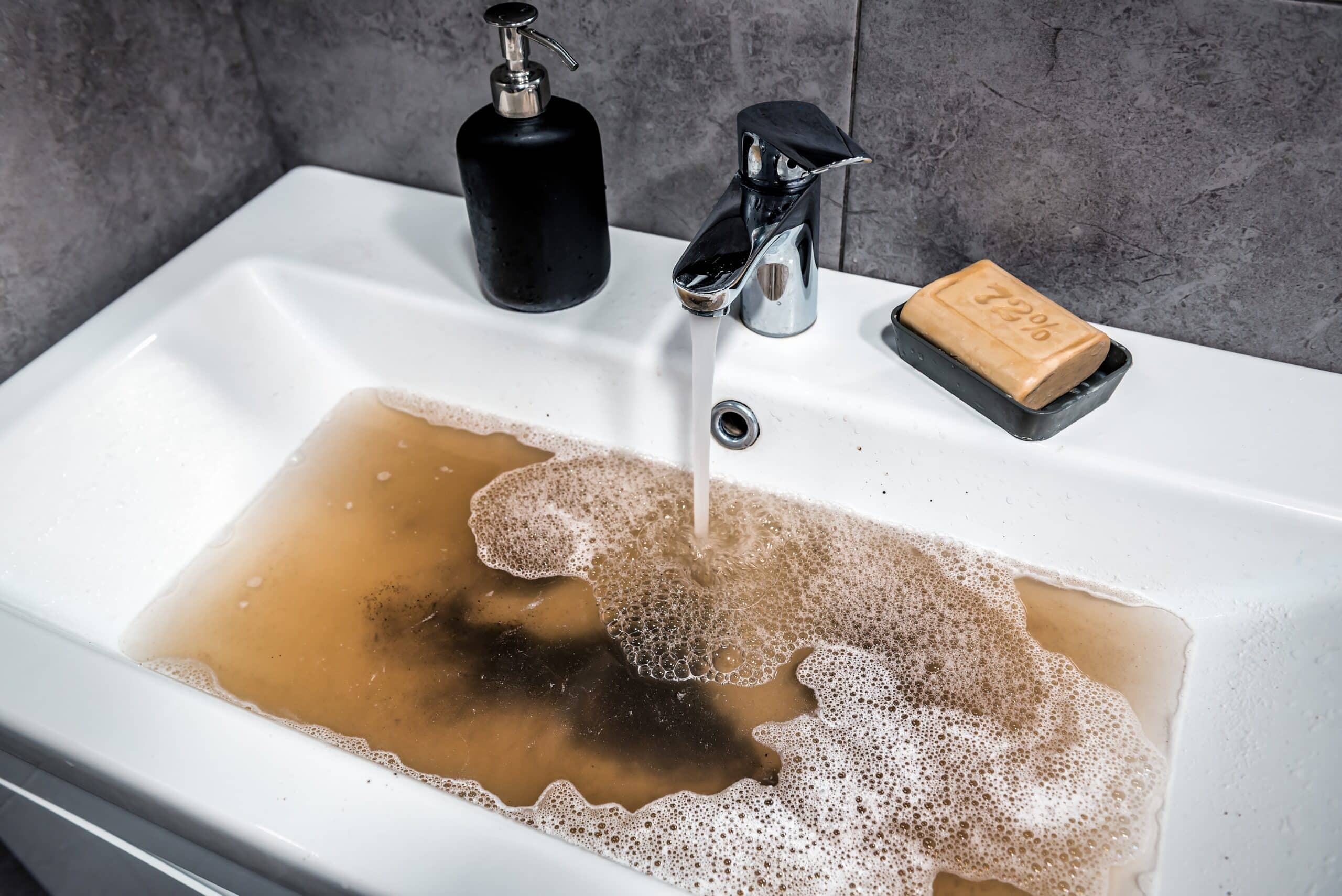
Clean, safe water is fundamental to a healthy household. While municipal water treatment provides a baseline of safety, many homeowners seek additional filtration to address concerns about taste, odor, specific contaminants, or the presence of hard water minerals. This comprehensive guide will walk you through the various types of residential water filtration systems, their benefits, how to choose the right one, and essential maintenance tips.
Why Consider a Water Filtration System for Your Home?
Investing in a home water filtration system offers a multitude of benefits that extend beyond just drinking water:
- Improved Taste and Odor: Filters can remove chlorine, sulfur, and other chemicals that often give tap water an unpleasant taste or smell.
- Reduced Contaminants: Beyond chlorine, many systems effectively reduce or eliminate lead, pesticides, herbicides, volatile organic compounds (VOCs), cysts, and even certain bacteria and viruses, depending on the filter type.
- Healthier Skin and Hair: Hard water minerals and chlorine can dry out skin and hair. Filtered water can lead to softer skin and shinier, more manageable hair, and may alleviate issues like eczema or dryness.
- Extended Appliance Lifespan: Sediment and mineral buildup (limescale) can damage pipes and water-using appliances like water heaters, dishwashers, and washing machines. Filtration protects these investments, saving you money on repairs and replacements.
- Environmental Benefits: By having access to clean, filtered water at home, you reduce your reliance on single-use plastic bottled water, contributing to a healthier environment.
- Cost Savings: While there’s an upfront cost, filtering your own water is often more economical in the long run compared to purchasing bottled water.
Types of Residential Water Filtration Systems
Residential water filtration systems primarily fall into two categories: Point-of-Use (POU) and Point-of-Entry (POE), also known as whole-house systems.
Point-of-Use (POU) Systems:
These systems treat water at a specific faucet or appliance where water is consumed. They are typically more affordable and easier to install, but only filter water at that single location.
- Pitcher Filters: Simple and portable, these pitchers contain a filter (usually activated carbon) that reduces chlorine and some other contaminants. Ideal for small households or those wanting basic filtration without any installation.
- Faucet-Mounted Filters: These attach directly to your existing faucet, providing filtered water on demand. They are easy to install and remove, making them a good option for renters.
- Under-Sink Filters: Installed discreetly beneath the kitchen sink, these systems often use multiple stages of filtration and deliver filtered water through a dedicated faucet. They offer higher capacity and more effective contaminant removal than pitcher or faucet filters.
- Refrigerator Filters: Many modern refrigerators come with built-in water dispensers and ice makers that incorporate a filter. These are convenient for cold, filtered water but typically have a limited filtration capacity.
Point-of-Entry (POE) / Whole-House Systems:
Installed where the main water line enters your home, a POE system filters all the water used throughout your house – from every faucet and shower to your washing machine and dishwasher.
- Sediment Filters: These are often the first stage in a multi-stage whole-house system. They physically remove larger particles like dirt, sand, rust, and silt, protecting subsequent filters and plumbing from damage.
- Activated Carbon Filters: Highly effective at removing chlorine, chloramines, volatile organic compounds (VOCs), pesticides, and improving taste and odor. They are a common component in both POU and POE systems.
- Reverse Osmosis (RO) Systems: Considered one of the most comprehensive filtration methods, RO systems force water through a semi-permeable membrane that removes a vast array of contaminants, including dissolved solids, heavy metals (like lead and arsenic), fluoride, nitrates, and even some bacteria and viruses. While highly effective, they can be slower and produce some wastewater. Whole-house RO systems are available, but smaller under-sink RO units are more common for drinking water.
- Ion Exchange Filters (Water Softeners): Specifically designed to address hard water by removing calcium and magnesium ions, which cause limescale buildup. While they don’t remove other contaminants, they protect appliances and improve soap lathering.
- UV (Ultraviolet) Water Purifiers: These systems use UV light to kill bacteria, viruses, and other microorganisms by disrupting their DNA. They are particularly useful for well water or as an extra layer of protection for municipal water, but they don’t remove chemicals or sediment.
- Specialized Filters: For specific water issues, you might consider filters for iron, sulfur (rotten egg smell), or acid neutralization.
Choosing the Right Water Filtration System for Your Home
Selecting the ideal water filtration system requires a thoughtful approach. Here are key factors to consider:
- Test Your Water: This is the most crucial first step. A professional water test will identify the specific contaminants, mineral levels, and overall water quality in your home. This information will guide you towards systems designed to address your particular issues.
- Identify Your Needs:
- What contaminants are you concerned about? (e.g., chlorine, lead, hard water, bacteria)
- Do you want filtered water at every tap (whole-house) or just for drinking and cooking (point-of-use)? Whole-house systems offer comprehensive protection, while POU systems are more targeted.
- What is your household’s water usage? Larger households or those with high water consumption will need systems with higher flow rates and filter capacities.
- Consider System Type and Installation:
- Space availability: Do you have room under your sink for an under-sink unit, or a dedicated space near your main water line for a whole-house system?
- Plumbing compatibility: Ensure the system you choose is compatible with your home’s existing plumbing.
- DIY vs. Professional Installation: While some POU systems are easy to install yourself, whole-house systems often benefit from professional installation to ensure proper function and avoid leaks.
- Flow Rate: For whole-house systems, ensure the system’s flow rate (measured in gallons per minute or GPM) can meet your household’s peak water demand without significantly reducing water pressure.
- Filter Life and Maintenance:
- Filter replacement frequency and cost: Different filters have varying lifespans and replacement costs. Consider the ongoing expenses.
- Ease of maintenance: Some systems are easier to maintain than others, with simple filter changes.
- Certifications: Look for certifications from reputable organizations like NSF International (National Sanitation Foundation) or the Water Quality Association (WQA). These certifications ensure the product meets strict standards for performance and contaminant reduction.
- Budget: Water filtration systems vary widely in price, from inexpensive pitcher filters to significant investments for whole-house RO systems. Consider both the initial cost and the long-term maintenance expenses.
Installation and Maintenance Tips
Proper installation and regular maintenance are vital for the optimal performance and longevity of your water filtration system.
Installation (General Tips):
- Read the Manual: Always follow the manufacturer’s specific installation instructions for your chosen system.
- Shut Off Water Supply: Before any installation, turn off the main water supply to your home to prevent leaks.
- Choose the Right Location: For whole-house systems, locate it near where the main water line enters your home, ensuring easy access for maintenance. For under-sink units, ensure enough space for the system and future filter changes.
- Secure Connections: Double-check all connections and fittings for tightness to prevent leaks.
- Flush the System: After installation, run water through the system for a few minutes (as per manufacturer instructions) to flush out any air or loose carbon particles.
Maintenance Tips:
- Timely Filter Replacement: This is the most critical maintenance task. Signs of a clogged or exhausted filter include reduced water pressure, changes in taste or odor, or visible discoloration of the filter. Always adhere to the manufacturer’s recommended replacement schedule, typically every 3-12 months, depending on the filter type and water usage.
- Have Extra Filters Ready: Keep a supply of replacement filters on hand so you can change them immediately when needed.
- Regular Cleaning: Periodically clean the filter housing and other accessible components with warm water (avoid harsh chemicals). For RO systems, regularly drain the storage tank and sanitize it when changing the membrane.
- Check for Leaks: Routinely inspect all connections and fittings for any signs of leaks. Address any drips promptly to prevent water damage.
- Monitor Water Quality: If you notice a change in your water’s taste, odor, or clarity, it might be an indication that your filter needs attention.
- Professional Servicing: For complex whole-house systems, consider scheduling an annual inspection and servicing by a qualified professional to ensure everything is functioning correctly.
Need Professional HVAC or Plumbing Help?
Our expert technicians are ready to assist you with any heating, cooling, or plumbing needs.